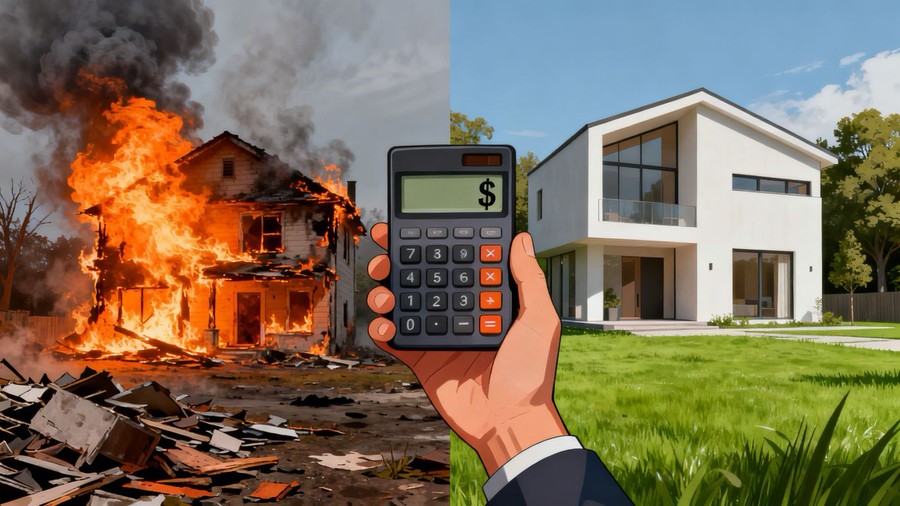
When a wildfire sweeps through, the first thing most people think about is their home insurance. It’s supposed to be the safety net, right? It’s the policy that helps cover the costs when disaster strikes, protecting the money you’ve put into your home and, hopefully, giving you a place to stay while things get sorted. For many, owning a home is their biggest financial asset, so this insurance is a pretty big deal. Lenders usually require it when you get a mortgage, and they often want to be listed on the policy too, just in case. It’s a package deal that typically covers the structure itself, your belongings inside, and even some living expenses if you can’t stay at home.
The Role of Homeowners Insurance in Disaster Recovery
Homeowners insurance is designed to help people get back on their feet after events like wildfires. It’s not just about rebuilding the physical structure; it also includes coverage for your personal property and, importantly, additional living expenses. This means if your home is unlivable, the policy can help pay for temporary housing, food, and other necessities while repairs are made or a new home is found. Without this coverage, the financial burden of a disaster could be overwhelming, potentially leading to significant debt or even bankruptcy for affected families. The insurance market itself is massive, handling hundreds of billions of dollars in premiums annually, showing just how central it is to protecting property investments across the country.
Coverage Gaps and Peril-Specific Exclusions
It’s a common misconception that homeowners insurance covers everything. In reality, policies often have specific exclusions, meaning certain types of damage aren’t covered. For instance, standard policies typically don’t include coverage for floods or earthquakes. Wildfires are usually covered, but the specifics can vary. Sometimes, damage from smoke or ash might be handled differently than direct fire damage. It’s important to know that if you live in an area prone to specific risks, like floods or earthquakes, you might need separate insurance policies for those perils. Relying solely on a standard homeowners policy could leave you with significant uncovered losses, especially if multiple disaster types strike at once, as seen in some California events where wind damage was covered, but flood and earthquake damage were not.
How Climate Change Is Reshaping Insurance Policies
Climate change is making natural disasters, including wildfires, more frequent and severe. This increased risk is forcing insurance companies to re-evaluate how they price policies and where they are willing to offer coverage. Factors like longer, hotter fire seasons, prolonged droughts that kill trees, and increased vegetation buildup from past fire suppression efforts are creating conditions for more intense wildfires. These changes mean that areas previously considered low-risk might now face significant threats. Insurers are using more sophisticated data and modeling to predict future risks, but the unpredictable nature of climate change makes this a difficult task. This evolving landscape is leading to rising premiums and, in some cases, insurers withdrawing from high-risk areas altogether, making it harder for homeowners to find affordable coverage.
Calculating the True Cost of Wildfire Recovery
Wildfire recovery isn’t just about getting an insurance check or waiting for permits to rebuild—figuring out the real costs means looking at every expense and consequence, big or small. Many homeowners in wildfire-prone places like Los Angeles are left in limbo, facing not just visible damage but unseen financial strain long after the flames are out (insurance payouts and permits).
Breaking Down Rebuilding Versus Relocating Expenses
When a wildfire destroys your house, your choices come down to rebuilding at the same site or moving elsewhere. Neither path is simple—or cheap. Here’s what goes into both options:
- Construction expenses: Materials and labor costs have shot up in many disaster zones.
- Demolition and debris removal: Cleaning up the remains is often expensive and required before any new build or sale.
- Required upgrades: New codes might demand certain fire-resistant features, adding to total bills.
- Permitting: In some areas, wait times drag on for months, affecting timelines and temporary living costs.
- If relocating: Selling damaged land may be tough, and buying a new house means new closing costs and possibly moving farther from friends or work.
Each decision brings not just a price tag, but a different set of risks and headaches. People sometimes want things “how they were before,” but wildfires force everyone to rethink that desire.
Hidden Costs: Insurance Gaps, Deductibles, and Living Expenses
It’s easy to see the damage on your lot, but the financial surprises are usually less obvious. The biggest hidden costs in wildfire recovery are:
- Insurance gaps: Many standard homeowners policies have limits or don’t cover all perils. Some types of damage—flooding after firefighting, landscaping loss, or certain outbuildings—might not be included.
- Deductibles: Wildfire deductibles are often higher than for other losses, so out-of-pocket costs stack up quickly.
- Extra living expenses: Most policies cover temporary rentals for a certain amount of time or money, but if rebuilding drags out longer than expected, you could end up on the hook for months of rent.
People caught off guard by these expenses sometimes have to dip into savings or take on debt, adding more strain to an already stressful situation.
Market Value Impacts After Wildfire Events
Wildfires don’t just hurt individual homeowners—they drag down whole neighborhoods and markets. When an area is hit, the ripple effects are significant:
- Local property values usually drop after a fire, especially for those who want or need to sell soon.
- Insurance premiums rise, making homes less attractive to potential buyers.
- Long recovery times create uncertainty, scaring away investment and slowing population return.
Just like with other disasters, some are left waiting for aid, but even those who eventually rebuild may find their home worth less than before. The math changes after a wildfire, and communities set back by damage can take years to recover financially—even after the rebuilding is done.
Insurance Market Trends Amid Wildfire Risks
The insurance industry is facing significant shifts due to the increasing frequency and severity of wildfires. As natural catastrophe risks escalate, insurers are re-evaluating their exposure and pricing models. This has led to a noticeable disruption in the market, with some companies withdrawing from high-risk areas. The fundamental challenge lies in accurately predicting future losses when historical data is becoming less reliable due to climate change. This unpredictability makes it difficult for insurers to maintain profitable pools of risk.
Rising Premiums and Insurer Withdrawals from High-Risk Areas
Homeowners in wildfire-prone regions are experiencing the direct impact of these market trends. Premiums are climbing, and in some cases, coverage is becoming unavailable altogether. This situation forces insurers to make difficult decisions about where they can continue to offer policies. The escalating costs associated with wildfire damage, growing approximately twice as fast as exposure alone would suggest, mean that some markets are no longer considered financially viable. This trend can leave homeowners in a precarious position, struggling to find affordable insurance or facing the prospect of being uninsured. A recent analysis indicates that average annual insurance losses in certain fire areas could decrease by a third if homeowners rebuild [e5fa].
Reinsurance and the Chain of Global Risk
Reinsurance, which is insurance for insurance companies, plays a critical role in managing large-scale disaster risks. However, as primary insurers face mounting losses from events like wildfires, the cost and availability of reinsurance are also affected. This ripple effect means that global risk is becoming more interconnected. When reinsurers face higher payouts, they, in turn, increase their prices for primary insurers. This dynamic can further strain the insurance market, making it harder for homeowners to secure adequate coverage at reasonable rates. The industry is grappling with how to price these escalating risks effectively.
The Impact of Uninsurability on Homeowners and Communities
When an area becomes difficult or impossible to insure, the consequences extend far beyond individual homeowners. The inability to obtain homeowners insurance can significantly impact property values and marketability, making it harder for people to sell their homes. Furthermore, it affects the broader economy, including real estate, lending, and construction sectors. A functional insurance market is a cornerstone of community resilience, enabling rebuilding after disasters. Without it, communities face stagnation and increased vulnerability. The current situation highlights the need for innovative solutions to address the growing challenge of insuring properties in areas with high wildfire risk.
Government and Policy Solutions in Wildfire Damage Compensation
When private insurance markets falter in the face of escalating wildfire risks, government intervention becomes a necessary, albeit complex, part of the recovery process. Both state and federal entities play a role in filling the gaps left by insurers, offering financial aid and shaping future development.
Role of State and Federal Aid Programs
Historically, governments have stepped in to provide support for disaster recovery, much like they do for floods or, in the past, terrorism. These programs aim to assist individuals and communities when the economics of insurance simply don’t work anymore. However, relying solely on these aid programs can become unsustainable over time. The challenge lies in balancing immediate relief with long-term strategies to prevent future losses. Without proper land-use planning and building codes, communities can inadvertently increase their risk, potentially burdening future taxpayers. While the core function of government is to protect citizens in times of need, the approach needs to be more strategic and forward-thinking, rather than purely reactive. For instance, after devastating events, federal aid is often mobilized to begin recovery and rebuilding efforts, as seen in California and Oregon following significant wildfire damage.
Strengthening Building Codes and Mitigation Incentives
One of the most effective policy tools is strengthening building codes. When homes are constructed with resilience in mind, they are better equipped to withstand damage from wildfires. Governments can also offer incentives for homeowners and builders to adopt specific mitigation techniques. This might include grants for upgrading roofs or using fire-resistant materials. Such measures not only protect individual properties but also contribute to community-wide safety. Furthermore, developing hazard maps, even if they can’t be used for premium increases, can educate homeowners about their specific risks and help prioritize where mitigation resources should be directed. This information can be a helpful guide for future land-use decisions.
Debates Around Rebuilding in High-Risk Zones
The question of whether governments should fund rebuilding efforts in areas repeatedly identified as high-risk is a contentious one. From a purely economic standpoint, it may seem unwise to invest in areas prone to repeated destruction. However, from a human perspective, the desire to rebuild and remain in one’s community is powerful. Policy decisions must grapple with this tension. Governments can discourage development in risky areas by offering incentives for building elsewhere or by prohibiting taxpayer-funded rebuilding in zones with a high probability of repeated destruction. This approach aims to reduce future risk by influencing better decisions, particularly for new developments. Ultimately, a combination of improved building standards, thoughtful land-use planning, and targeted incentives is needed to address the complex challenges posed by increasing wildfire activity.
Mitigation Strategies to Protect Your Investment
When facing the aftermath of a wildfire, or even just anticipating the risk, homeowners often wonder what can be done to lessen the impact of future events. It’s not just about insurance payouts; it’s about safeguarding your property and your financial future. Taking proactive steps, often referred to as mitigation, can make a significant difference. This involves making physical improvements to your home and property, as well as engaging with community-level preparedness efforts.
Physical Improvements to Reduce Wildfire Risk
Making your home more resistant to wildfire isn’t just a good idea; it can be a smart financial move. These actions can potentially lower your insurance premiums and, more importantly, reduce the likelihood of damage. Consider these practical steps:
- Roofing and Vents: Upgrade to fire-resistant roofing materials like metal or tile. Ensure vents are covered with fine mesh to prevent embers from entering the attic.
- Defensible Space: Create a buffer zone around your home. This means clearing away dead vegetation, trimming tree branches that overhang the roof, and keeping gutters free of debris.
- Windows and Doors: Install double-paned, tempered glass windows. Ensure exterior doors are solid and fit snugly in their frames.
- Siding and Decks: Use non-combustible siding materials. For decks, consider fire-resistant wood or composite materials and clear the area underneath.
Community and Municipal Approaches to Disaster Preparedness
Individual efforts are vital, but community-wide strategies amplify protection. When a neighborhood or town works together, the collective resilience increases.
- Land Use Planning: Municipalities can implement zoning laws that discourage building in high-risk fire zones or require stricter building standards in these areas.
- Infrastructure Investment: Investing in water systems for firefighting, creating evacuation routes, and maintaining firebreaks are crucial public services.
- Public Education Campaigns: Informing residents about wildfire risks and mitigation techniques helps build a shared understanding and encourages participation in preparedness efforts.
Insurance Discounts and Incentives for Risk Reduction
Many insurance companies recognize the value of mitigation. They often provide incentives to homeowners who take steps to reduce their property’s vulnerability to fire.
- Ask About Discounts: Inquire with your insurance provider about potential discounts for implementing specific fire-resistant measures. This could include discounts for having a “defensible space” certified by a local fire department or for using certain building materials.
- Mitigation Grants: Some states or local programs may offer grants or low-interest loans to help homeowners afford the cost of making their properties more fire-resistant. These programs aim to make mitigation accessible, even for those with limited budgets.
- Hazard Mapping Tools: Utilize resources like hazard maps, which can highlight areas of high wildfire risk. This information can guide your mitigation efforts and help you understand where the greatest dangers lie, potentially influencing your insurance decisions and where you choose to invest in property improvements.
Societal and Psychological Factors in Rebuilding or Relocating Decisions
When a wildfire devastates a community, the decision to rebuild or relocate goes far beyond simple financial calculations. Deeply ingrained emotional attachments to a home and neighborhood play a significant role. For many, a house is more than just a structure; it represents years of memories, personal history, and a sense of belonging. This emotional connection can be a powerful force, often making the idea of leaving feel like a profound loss, even when faced with overwhelming destruction.
Emotional Attachment and Community Ties
The desire to return and rebuild is frequently fueled by strong community bonds. People often feel a sense of shared identity and mutual support with their neighbors, especially after a shared trauma. This collective spirit can inspire a unified effort to restore the community, making rebuilding seem not just possible, but necessary. The thought of abandoning a place where one has deep roots, raised a family, or built a life can be incredibly difficult. This is particularly true when the community itself is seen as a unique or desirable place to live, despite the risks.
Individual Versus Collective Risk Perception
How individuals and communities perceive risk can vary greatly. While scientific data might highlight the increasing likelihood of future wildfires, personal experience and optimism can sometimes override these warnings. Many survivors express a strong resolve to return, believing that
Long-Term Implications for the Housing Market and Economy
Wildfires aren’t just a tragedy for the families who lose their homes—they leave a mark on the whole real estate landscape and bank accounts of entire regions. How the housing market adapts, or doesn’t, has ripple effects that go much further than the burn scar.
Impact on Homeownership and Lending Practices
Lenders and property owners are facing a new world where disasters like wildfires make insurance harder and more expensive to get. When insurance becomes tough to buy, fewer people qualify for loans, since banks often require coverage:
- Homebuyers may walk away from fire-prone areas if they know they can’t get affordable insurance—or any at all.
- Existing homeowners can find themselves trapped, unable to sell without proving insurability for the next buyer.
- Banks might refuse to write mortgages without proof of wildfire coverage, which limits who can buy or refinance.
These issues end up shrinking the pool of qualified buyers and put downward stress on home values, as also outlined by experts warning of a looming threat to property values.
Regional Shifts and Population Movements
After major wildfires, some people are determined to rebuild, but plenty of others decide to relocate. This leads to big changes in the makeup of towns and even entire regions:
- Population drops in seriously damaged areas put pressure on local businesses, schools, and services.
- Nearby regions—especially those seen as safer—may see a sudden spike in housing demand, which can push up rents and home prices.
- Over time, “fire migration” can create new suburban sprawl as people look for affordable, insurable homes outside traditional high-risk zones.
The end result: some towns lose their core, while others boom almost overnight just by virtue of geography.
Economic Consequences of Widespread Wildfire Damage
Widespread fire is more than just a local event. The effects play out on a much larger economic stage:
- Insurance providers may pull out, leaving homeowners without safety nets or forcing state-run coverage that costs everyone more.
- Property values may drop fast, eroding local tax bases and hurting schools and public services.
- Strained budgets mean cities and towns have to make tough choices about infrastructure repairs versus fire prevention and support for affected families.
A key point is that as extreme weather events increase, we can all expect more volatility in property worth, premium costs, and financing hurdles. Each wildfire season is starting to shape not just neighborhoods, but the entire U.S. housing market.