
The digital asset industry has seen a profound evolution over recent years, and one of the most transformative developments is the rise of security tokens. Designed to comply with existing financial regulations, security tokens represent a new asset class that combines the benefits of blockchain technology with the security of regulated financial products. As a result, they are reshaping the future of digital securities and paving the way for a more efficient, transparent, and accessible financial market.
Understanding Security Tokens and Their Importance
Security tokens are digital assets that represent ownership in underlying real-world assets, such as stocks, real estate, or even commodities. Unlike other cryptocurrencies, security tokens are classified as securities, meaning they are subject to stringent regulatory requirements. By operating within legal frameworks, these tokens provide a level of security and transparency that is often lacking in other digital assets, making them highly attractive to institutional investors and traditional financial markets.
The demand for security tokens has surged as they offer several advantages over traditional securities, such as improved liquidity, lower transaction costs, and faster settlement times. Furthermore, security tokens enable fractional ownership of high-value assets, making investment opportunities accessible to a broader audience. These factors are crucial for institutional investors who require secure, compliant investment options in the digital space.
The Growing Importance of Security Tokens in Regulated Digital Securities Markets
The role of security tokens in regulated digital securities markets has become increasingly important as regulatory bodies, such as the U.S. Securities and Exchange Commission (SEC) and the Financial Conduct Authority (FCA), work to establish clear guidelines for digital assets. By aligning with these regulations, security tokens bridge the gap between traditional and digital financial markets, creating a more integrated and regulated ecosystem.
Security tokens are often issued through a process known as a Security Token Offering (STO), which adheres to regulatory standards, making them distinct from Initial Coin Offerings (ICOs) that lack regulatory oversight. This compliance with regulatory frameworks has increased the appeal of security tokens among financial institutions, driving significant interest in their potential to revolutionize traditional asset markets.
Attracting Institutional Investors to the Digital Asset Market
Institutional investors have long been cautious of the unregulated nature of the cryptocurrency market. However, security tokens offer a solution by providing a regulated, secure means of participating in the digital asset space. Since security tokens are backed by tangible assets and adhere to legal requirements, they offer a more stable and trustworthy investment vehicle compared to traditional cryptocurrencies.
This regulated structure provides institutional investors with the security they need while enabling them to diversify their portfolios with digital assets. Many institutions are now exploring security tokens to gain exposure to innovative assets, from real estate to venture capital. This shift has significant implications for the market, as institutional participation can bring substantial liquidity and stability to the digital asset ecosystem.
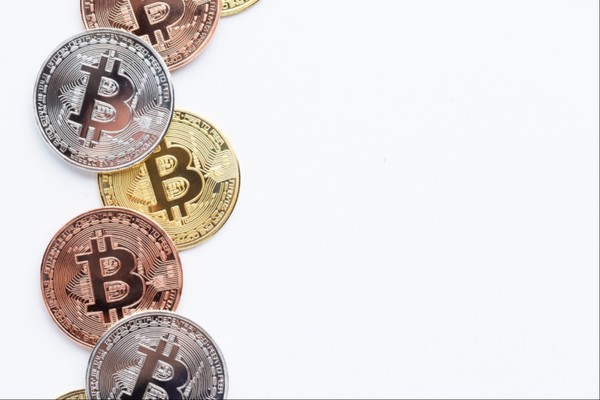
File-name: Bitcoins
Alt-text: Bitcoins on plain background
Enhanced Liquidity and Market Access
One of the most significant benefits of security tokens is their ability to improve liquidity in the digital asset market. Traditional assets, such as real estate or fine art, are often illiquid, requiring lengthy sales processes that can tie up capital. Security tokens enable fractional ownership, allowing investors to buy and sell portions of an asset, thus enhancing liquidity and making these traditionally illiquid assets more accessible to a wider range of investors.
Additionally, security tokens allow for 24/7 trading on digital asset exchanges, further increasing liquidity and flexibility for investors. This constant availability is a significant departure from the limited trading hours of traditional stock exchanges, making security tokens a more versatile option for investors seeking to optimize their portfolios.
Alignment with Regulatory Frameworks for Increased Security and Trust
The alignment of security tokens with existing regulatory frameworks is crucial for fostering trust in the digital asset market. Unlike other digital assets that operate outside the boundaries of traditional financial systems, security tokens are designed to comply with securities laws. This compliance ensures that security token holders have legal rights and protections, which is essential for attracting both retail and institutional investors.

File-name: men-Bitcoin
Alt-text: two men holding a Bitcoin
By working within these regulatory frameworks, security tokens minimize the risks of fraud and market manipulation, which have been significant concerns in the cryptocurrency market. This alignment with regulation also facilitates the development of infrastructure around digital securities, such as custodial services and reporting standards, creating a robust foundation for future growth.
The Role of Tokenized Securities in Expanding Investment Opportunities
Tokenized securities are transforming the way assets are bought and sold by enabling fractional ownership. Through tokenization, high-value assets can be divided into smaller units, allowing investors to purchase portions of an asset rather than the entire asset. This process democratizes access to investment opportunities, making it possible for retail investors to participate in markets that were previously accessible only to high-net-worth individuals and institutional players.
Tokenized securities are particularly beneficial for assets like real estate, which traditionally require substantial capital outlays. By enabling smaller investments, tokenized securities provide a pathway for investors to diversify their portfolios with high-value assets without the need for significant upfront capital. This feature is appealing to investors seeking to diversify across asset classes, including those traditionally dominated by institutions.
Security Tokens and the Potential for Improved Market Efficiency
Security tokens have the potential to streamline the process of issuing, trading, and managing securities, reducing the complexities and costs associated with traditional securities. Blockchain technology allows for automated processes through smart contracts, which can handle tasks like dividend payments and voting rights without the need for intermediaries. This automation reduces the administrative burden on issuers and lowers transaction fees for investors, leading to a more efficient market overall.
Moreover, the transparent and immutable nature of blockchain ensures that all transactions are recorded on a public ledger, reducing the risk of fraud and enhancing trust. This transparency is a significant factor in the appeal of security tokens, as it provides investors with greater confidence in the legitimacy of their investments.
Security Tokens: A Future Outlook
The future of security tokens looks promising, as their regulated nature and technological advantages are likely to attract even more interest from the financial sector. As regulatory bodies continue to clarify guidelines for digital assets, security tokens are well-positioned to become a cornerstone of the digital securities market. The integration of blockchain technology into regulated financial markets holds the potential to create a more inclusive, accessible, and efficient financial system that caters to a diverse range of investors.
In conclusion, security tokens are not only reshaping the digital asset landscape but also playing a pivotal role in the broader financial industry’s transition to digital assets. As the demand for transparent, secure, and compliant digital securities grows, security tokens will likely continue to drive innovation and adoption in regulated digital asset markets.
Discover Blockchain Excellence with Kenson Investments
Kenson Investments offers top-tier digital asset support to help you navigate crypto asset markets. Their team of digital asset specialists is dedicated to providing legitimacy and transparency in blockchain asset investments.
Call them now to explore how they can help you in this dynamic market!
About the Author
Mark A. Davis is a seasoned finance and blockchain analyst with over a decade of experience in digital asset research and investment strategies. Specializing in the intersection of blockchain technology and traditional finance, Mark has contributed insightful content to leading financial publications, helping readers understand the evolving landscape of digital securities. His expertise in security tokens and regulatory compliance makes him a trusted voice in the field, guiding investors through the complexities of the crypto asset market. When he’s not analyzing trends, Mark enjoys speaking at industry events and mentoring emerging talent in the blockchain space.
Disclaimer: The information provided on this page is for educational and informational purposes only and should not be construed as financial advice. Crypto currency assets involve inherent risks, and past performance is not indicative of future results. Always conduct thorough research and consult with a qualified financial advisor before making investment decisions.
“The crypto currency and digital asset space is an emerging asset class that has not yet been regulated by the SEC and US Federal Government. None of the information provided by Kenson LLC should be considered financial investment advice. Please consult your Registered Financial Advisor for guidance. Kenson LLC does not offer any products regulated by the SEC, including equities, registered securities, ETFs, stocks, bonds, or equivalents.”